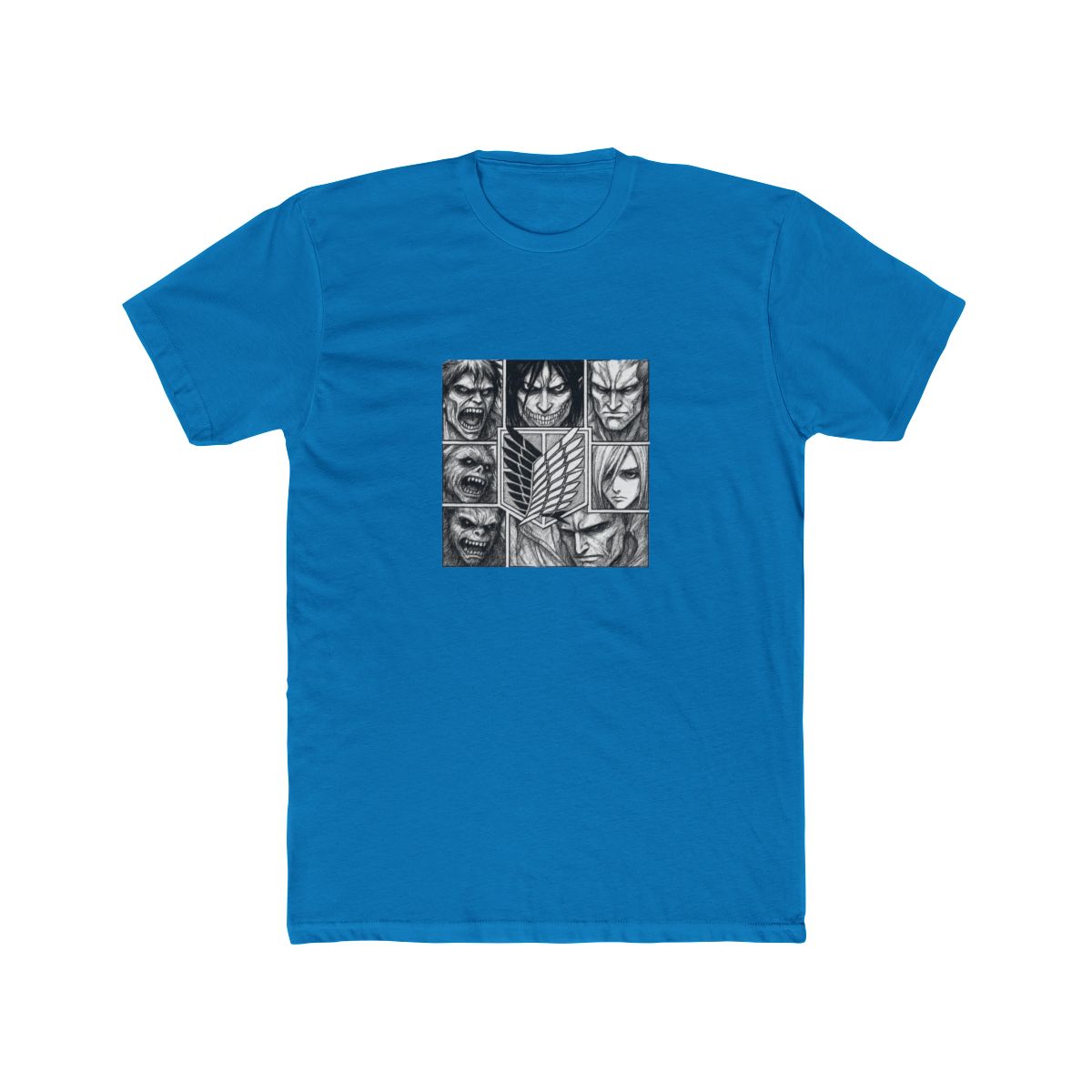
Most Attack on Titan collections focus on the big stuff - figures, posters, cosplay. But the real storytelling happens in the small details. Patches and pins let you carry your favorite characters and symbols everywhere, and they've become the most versatile way to show your fandom. After a decade in print-on-demand and merch design, I've seen trends come and go - but the demand for quality patches and pins has only grown.
| Product/Pick | Best For | Key Feature | Price Range |
|---|---|---|---|
| Survey Corps Embroidered Patch (Large) | Jacket or backpack centerpiece | 4-inch diameter, high-density embroidery | $12-18 |
| Wings of Freedom Enamel Pin (Premium) | Collectors who want detail | Hard enamel with gold plating, 1.5 inches | $10-15 |
| Titan Shifter Set (3 pins) | Budget-friendly starter | Soft enamel, each 1 inch, includes Attack, Armored, Female | $15-20 |
| Wall Maria Garrison Patch | Tactical gear or vest | Velcro backing, durable nylon weave | $8-12 |
| Scout Regiment Pin Display Frame | Gift for a fellow fan | Holds 12 pins, black shadow box with glass | $25-35 |
Why Attack on Titan Patches and Pins Are Must-Have Collectibles
Patches and pins have a unique advantage over other merch - they're portable, customizable, and they let you personalize your gear. Unlike a T-shirt that gets washed or a poster that stays on the wall, a patch on your bag travels with you and sparks conversations. In my experience running a POD-focused merch store, these small items drive the highest repeat purchase rates because fans love completing sets.
But there's another reason they've exploded in popularity: scarcity. Many designs are limited runs or seasonal, especially for specific characters. The Wings of Freedom pin from 2024 sold out in 72 hours, and resale prices tripled. While we can't predict exactly what will be hot in 2026, the trend shows that starting a collection early pays off.
What Makes a Quality Patch or Pin?
Not all patches are created equal. High-quality patches use tight, consistent stitching with no loose threads. Look for merrowed edges - a stitched border that prevents fraying. For enamel pins, hard enamel (colored enamel that's polished flat) is more durable than soft enamel (recessed areas). Metal plating matters too - gold or silver plating resists tarnishing better than nickel.
Top 5 Survey Corps Patches for Your Jacket or Bag
If you're looking to add an Attack on Titan patch to your gear, start with the classics. Here are five fan-favorite designs that consistently get compliments:
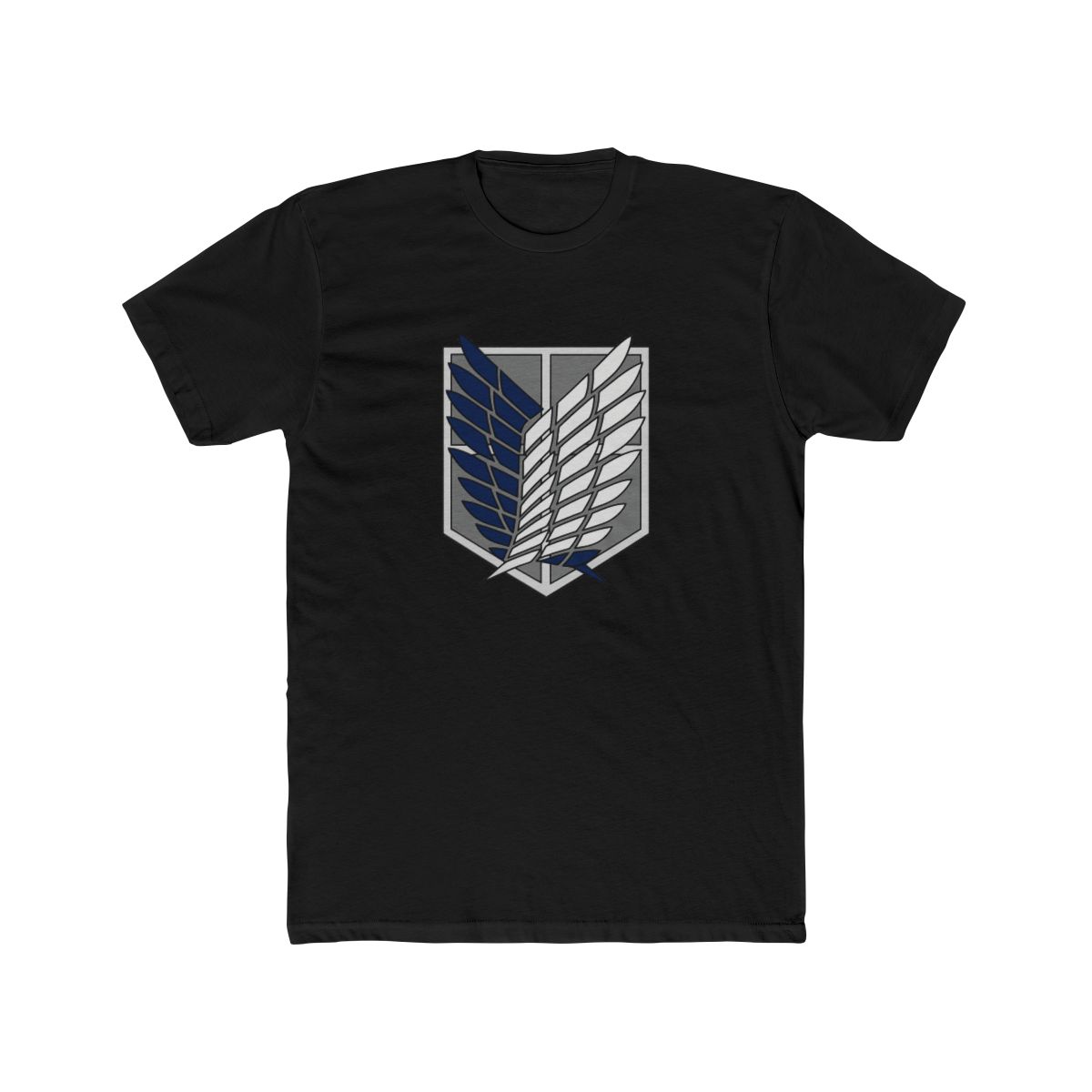
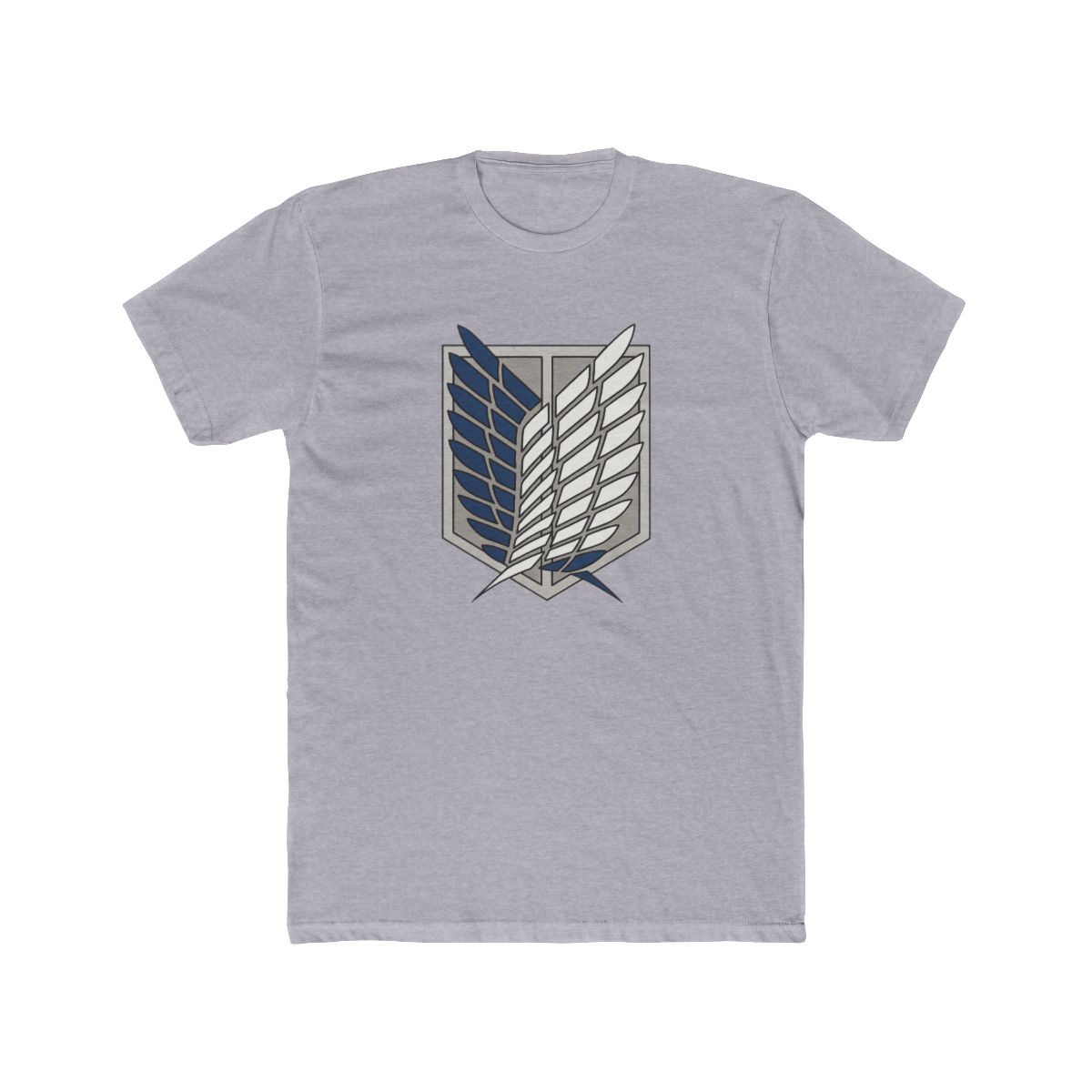
1. Survey Corps Emblem (Large) - The iconic blue and white wings. This patch is the cornerstone of any collection. Available in embroidered or woven versions. The embroidered one has more texture and holds up better on rough fabrics like denim.
2. Garrison Regiment - The golden rose crest for fans who appreciate the less flashy but equally important branch. It's a subtler choice that still screams AoT to those in the know.
3. Military Police Brigade - The unicorn. It's harder to find but worth it for the uniqueness. Often features a light blue background with white detail.
4. Scout Regiment Alternate (Brown Background) - A color variation that pops on dark jackets. Instead of the standard white background, this patch uses a brown field that matches the anime's earthy palette.
5. Colossal Titan Head Silhouette - A newer design that's growing in popularity. It's recognizable even from a distance, making it great for backpacks or laptop sleeves.
How to Choose the Right Size
Patches range from 2 to 5 inches. For a jacket shoulder, 3-4 inches is ideal. Backpacks can handle up to 5 inches. Smaller patches (2 inches) work well on hats or as companion pieces alongside a larger main patch. I recommend starting with a medium 3.5-inch Survey Corps patch - it works almost everywhere.
Where to Display Your Attack on Titan Enamel Pins
Enamel pins are tiny art pieces. Displaying them wrong can damage the pin or your gear. Here are the best options:
- Denim jacket collar or lapel - Classic choice. Use rubber clutch backs (also called locking pin backs) to prevent loss. A row of three pins along the chest line looks sharp.
- Canvas tote bag - Soft enough to let the pin sit flush, but durable enough not to tear. Place near the top or along the strap.
- Fabric pin banner - A dedicated felt or canvas strip that hangs on your wall. This lets you rotate your collection without damaging clothes.
- Corkboard or pegboard in a frame - For serious collectors. Group pins by character, season, or color.
- Hat brim - Limited space, but a single pin on a baseball cap makes a statement. Use locking backs so it doesn't snag.
Locking Pin Backs vs. Standard Clutches
Standard butterfly clutches are fine for light use, but they fall off easily. Locking pin backs (screw-on or rubber) cost about $1 extra per pin but will save you from losing a $15 pin. I always swap out the standard backs on any pin I wear regularly.
How to Start or Grow Your Attack on Titan Pin Collection
Starting a collection is simple: pick a theme. Some collectors go for all Survey Corps pins. Others chase Titan Shifter or specific scenes. My advice - set a monthly budget. Pins run $8-20 each, and it's easy to overspend when a new drop hits.
To grow your collection, follow fan-run trading groups on social media. You'll find rarer pins and limited editions that aren't in the main store. Also, consider buying sets rather than singles - sets often come with exclusive designs or a display box that makes the average cost per pin lower.
What About Counterfeit Pins?
Unfortunately, knockoffs exist. They usually have rough edges, uneven enamel, or a dull finish. Authentic pins have crisp lines, a smooth metal surface, and the manufacturer's mark on the back (often a small engraved logo). If a deal seems too good to be true, it probably is. Stick to reputable fan-run shops and avoid AliExpress or random Amazon sellers with no reviews.
Caring for Your Patches and Pins to Keep Them Looking New
Patches and pins can last for years with proper care. Here's what I've learned from handling thousands of units:
- Patches: Secure them by stitching, not just iron-on. Iron-on adhesive weakens over time and can peel after a few washes. Add a few stitches in the corners for insurance. When washing gear with patches, turn it inside out and use cold water. Never machine dry - heat can warp the backing.
- Pins: Store them in a dry place away from direct sunlight. UV rays fade enamel colors. If a pin gets dull, gently polish the metal with a microfiber cloth. Avoid harsh chemicals. For pins on bags or jackets, remove them before washing the garment. The pin itself can be cleaned with a soft toothbrush and mild soap.
Common Mistakes to Avoid
- Don't iron patches directly - use a pressing cloth or iron from the back.
- Don't bend pins to test their flexibility. Enamel can crack.
- Don't stack pins on top of each other on a board. The backs can scratch the faces of pins below. Use separate slots or felt separators.
Key Takeaways
- Start with a classic Survey Corps patch (3.5-inch embroidered) - it fits most gear and starts conversations.
- Invest in locking pin backs for any pin you wear. Losing a pin is frustrating.
- Buy sets when possible - they offer better value and often include a display frame.
- Rotate your display to keep your collection feeling fresh. Swap pins between bags and boards.
- Quality matters: merrowed edges for patches, hard enamel for pins, gold or silver plating for metal.
Frequently Asked Questions
How do I attach patches without sewing?
Use fabric glue or iron-on adhesive, but know that adhesive won't hold as long as stitching. For a permanent fix, hand-sew with a basic running stitch. It takes 10 minutes and lasts years.Are enamel pins waterproof?
Hard enamel pins are water-resistant, not waterproof. They can handle light rain but shouldn't be submerged. Remove pins before swimming or heavy rain. The metal backing can rust if wet.What size pin backs are best?
Standard clutch backs work for occasional use. For everyday wear, use locking pin backs (rubber or screw-on). They prevent the pin from falling off if snagged. Most pins come with standard clutches, so buy a pack of locking backs separately.Can I put patches on a backpack?
Yes, backpacks are ideal because the fabric is sturdy. Place patches on flat panels rather than curved areas. Use a combination of iron-on and stitching for durability. Avoid placing patches near zippers where they might catch.How do I store pins to avoid scratches?
Keep pins in a soft-lined box or on a felt display board. Do not stack them. If using a pin binder, insert each pin into its own polypropylene sleeve. Store away from humidity to prevent tarnishing.